
Iron Supplements vs Iron Rich Foods: The Math Your Doctor Never Showed You
Over 1.6 billion people worldwide are affected by iron deficiency anemia, according to the World Health Organization. Most patients receive standard medical advice: eat more red meat and spinach. That sounds reasonable enough until you run the numbers. The gap between what "eating more iron" sounds like and what it actually requires is staggering. This guide breaks down how much food it takes, what the body actually absorbs, and where the food-first approach falls short.
TLDR: The Core Math of Iron Deficiency * The daily recommended intake for healthy women is 18mg, but treating clinical deficiency requires a therapeutic dose of 45-65mg. * Reaching a 45mg dose requires roughly 15 cups of cooked spinach or 1.5 pounds of beef daily. * Label values deceive consumers because the body absorbs only 3-5% of plant-based and synthetic iron. * Diet alone works brilliantly for maintaining optimal ferritin levels (100-125 ng/mL) and preventing mild insufficiency. * Clinical iron deficiency (ferritin below 30 ng/mL) requires therapeutic supplementation because food volume requirements become mathematically impossible. * Natural animal-sourced iron supplements provide the necessary clinical dose in a form the body absorbs efficiently. * The smartest strategy combines both methods: taking supplements to recover depleted stores, then transitioning to an iron-rich diet for maintenance.
Krystal Moore
Founder & Iron Warrior
📑 Table of Contents
- Can You Get Enough Iron from Food Alone?
- How Much Food Does It Take to Hit a Therapeutic Iron Dose?
- Why Does Iron Absorption Matter More Than Iron Content?
- When Is Diet Enough for Iron Levels?
- When Do You Actually Need an Iron Supplement?
- What Makes Natural Animal-Sourced Iron Different from Synthetic Supplements?
- Frequently Asked Questions About Iron Supplements vs Iron Rich Foods
- Conclusion
Can You Get Enough Iron from Food Alone?
For mild insufficiency and maintenance, yes. For clinical iron deficiency with ferritin below 30, food alone almost never provides enough absorbed iron to recover.
Understanding iron intake starts with separating baseline maintenance requirements from active recovery protocols. The recommended dietary allowance (RDA) for women between 19 and 50 sits at 18mg per day, according to the National Institutes of Health. Medical professionals rely on this 18mg baseline as the standard target for preventing deficiency. The problem arises when this prevention metric gets misapplied as a treatment strategy. The RDA exists solely to replace daily losses. It does not provide the surplus material required to rebuild depleted iron stores.
Therapeutic iron doses for treating clinical deficiency range from 45 to 65mg of elemental iron daily, according to the American Society of Hematology. Jumping from an 18mg baseline to a 45mg therapeutic surplus creates an insurmountable challenge for standard meal planning. Patients attempting to hit the 45mg target through diet must consistently consume nearly triple standard daily nutritional requirements.
The food-first philosophy certainly has its place. It works flawlessly for preventing drops in optimal levels and managing mild insufficiency. The strategy completely breaks down when ferritin levels drop below 30 ng/mL. Medical professionals classify a ferritin score below 30 as Absolute Iron Deficiency. At this threshold, the primary storage banks sit empty. Relying entirely on dietary sources to refill these banks forces patients into an impossible daily eating regimen.
So what does 45mg of iron actually look like on a plate?
How Much Food Does It Take to Hit a Therapeutic Iron Dose?
Reaching a 45mg therapeutic dose from food alone requires roughly 15 cups of cooked spinach, 1.5 pounds of beef, or 200g of liver daily, amounts most people can't sustain.

Translating a 45mg therapeutic prescription into daily meals reveals the stark reality of the food-first approach. Start with spinach. A single cup of cooked spinach provides about 3.6mg of iron on its nutritional label. To reach the 45mg therapeutic target, that means eating between 12 and 15 cups of cooked spinach daily. Picture three full salad bowls packed with dense greens, consumed every single day without fail. And that's before accounting for the fact that plant-based iron has very low absorption rates.
Red meat presents a slightly better profile but still demands unrealistic volumes. A standard six-ounce serving of beef steak delivers about 4.5mg of iron. Hitting the 45mg target requires eating roughly 1.5 to 2 pounds of steak daily. While animal-sourced iron provides higher quality and better absorption, asking a patient to consume two pounds of red meat daily ignores practical limitations.
Beef liver stands as the most iron-dense food available, offering around 6.5mg per three-ounce serving. Reaching the therapeutic target requires eating roughly 200g (seven ounces) of beef liver every day. This calculation looks achievable on paper, but very few people can sustain eating liver every single day.
Plant-based sources like lentils, beans, and tofu require even larger volumes. A half-cup of firm tofu provides 3.4mg of iron, requiring 13 servings to hit the target. Cooked lentils provide 6.6mg per cup, meaning a patient needs seven cups daily. These plant-based options demand even higher consumption because plant-based iron has much lower absorption rates. Reviewing the types of iron in food helps clarify the nutritional values across different dietary categories.
| Food Source | Serving Size | Iron on Label (mg) | Iron Type | Servings Needed for 45mg |
|---|---|---|---|---|
| Cooked spinach | 1 cup | 3.6 | Plant-based | ~13 cups |
| Beef steak | 6 oz | 4.5 | Animal-sourced | ~10 servings (3.8 lbs) |
| Beef liver | 3 oz | 6.5 | Animal-sourced | ~7 servings (21 oz) |
| Lentils (cooked) | 1 cup | 6.6 | Plant-based | ~7 cups |
| Tofu (firm) | 1/2 cup | 3.4 | Plant-based | ~13 servings |
| Chicken breast | 6 oz | 1.1 | Animal-sourced | ~41 servings |
These are label values. Actual absorbed iron is significantly lower, especially for plant-based sources.
But label values only tell half the story. What your body actually absorbs is a completely different number.
Why Does Iron Absorption Matter More Than Iron Content?
Your body absorbs animal-sourced iron at a naturally high rate, but absorbs as little as 3-5% of plant-based and synthetic iron, making label values misleading.
Nutritional labels create a false sense of security for patients managing deficiencies. The number of milligrams printed on a package rarely matches the amount of iron that actually enters the bloodstream. The body interacts differently with distinct molecular structures of iron, causing wide disparities between intake and actual absorption.
The digestive system absorbs animal-sourced iron from foods like red meat, liver, and organ meats in its whole, natural form. The body instantly recognizes this structure and pulls it across the intestinal wall efficiently. This naturally high absorption rate occurs independently. The process does not require vitamin C for conversion, nor does it demand a highly acidic stomach environment.
Conversely, plant-based iron from spinach, beans, and grains must undergo a complicated chemical conversion before absorption can occur. The human body struggles with this inefficient process. Natural compounds commonly found in healthy diets actively interfere with plant-based iron absorption. Calcium, coffee, tea, and phytates found in whole grains can significantly reduce the amount of iron entering the system. Some plant compounds block the absorption process entirely.
Synthetic supplement options face similar biological hurdles. The medical system frequently prescribes ferrous sulfate to treat clinical deficiency. Ferrous sulfate is a synthetic, synthetic form of iron that forces the body through a complicated, inefficient conversion process. Clinical data confirms only about 3-5% of synthetic iron actually makes it into the system. The remaining unabsorbed iron sits in the digestive tract, causing the severe gastrointestinal distress commonly associated with standard prescriptions.
The absorption gap drastically alters the reality of daily nutrition. A cup of spinach claims 3.6mg on its label, but the body may absorb less than 0.2mg of usable iron. A six-ounce steak lists 4.5mg on its label, and the body absorbs significantly more due to the naturally high absorption rate of animal-sourced iron. Exploring strategies on how to improve iron absorption provides clear guidance to maximize dietary sources consumed.
This absorption reality changes the whole calculation. So when IS food enough, and when isn't it?
When Is Diet Enough for Iron Levels?
Diet alone works for prevention, mild insufficiency, and maintenance after recovering from deficiency, but not for clinical deficiency with ferritin below 30 ng/mL.
Nutrition plays a vital role in blood health, provided the starting baseline sits within a manageable range. Medical science defines the optimal ferritin range between 100 and 125 ng/mL. Patients sitting comfortably in this optimal zone can rely on a balanced, iron-rich diet to keep their numbers stable. The daily prevention requirements easily align with standard, healthy meal planning without demanding extreme portion sizes.
Mild insufficiency represents the middle ground where diet can still move the needle. Patients displaying ferritin levels between 30 and 50 ng/mL often find success through strategic dietary overhauls. Achieving success in this borderline zone requires increasing consumption of animal-sourced iron while strictly limiting absorption inhibitors during meals. Learning exactly what blocks iron absorption acts as a mandatory step to make this strategy work. Adding vitamin C to meals and separating coffee consumption from iron-rich foods can provide enough support to reverse a mild downward trend.
Diet serves its most powerful function during post-recovery maintenance. The standard therapeutic timeline involves using supplementation to pull ferritin back to optimal levels, followed by a transition back to food-based maintenance. The heavy lifting gets done by a targeted therapeutic dose, allowing normal eating habits to sustain the restored levels indefinitely.
The food-first strategy works best for specific demographic groups. Individuals proactively preventing deficiency, endurance athletes maintaining healthy stores, and post-menopausal women experiencing reduced monthly blood loss often thrive on dietary management alone. The math works perfectly for individuals replacing standard daily physiological losses.
But what if your ferritin is already below 30? That's a different situation entirely.
When Do You Actually Need an Iron Supplement?
Supplementation is necessary when ferritin drops below 30 ng/mL, during pregnancy, with heavy menstrual bleeding, or after surgery: situations where food simply can't keep up with demand.
A ferritin score below 30 ng/mL signals a transition from dietary management to required therapeutic intervention. This clinical threshold defines Absolute Iron Deficiency, indicating the body has exhausted its emergency reserves. Attempting to reverse Absolute Iron Deficiency through diet alone forces patients into an unwinnable mathematical scenario. Relying on 15 cups of daily spinach cannot realistically refill severely depleted storage banks fast enough to resolve symptoms. Understanding the systemic impact of operating with empty reserves becomes critical at this stage.
Certain biological events sharply increase the demand for rapid iron replenishment. Women experiencing heavy menstrual bleeding lose significant amounts of iron monthly. The volume of consistent blood loss frequently outpaces what standard dietary intake can replace. The biological deficit compounds each month, inevitably requiring supplementation to break the cycle of depletion. Evaluating the best iron supplement for women provides guidance for navigating these specific physiological challenges.
Pregnancy completely alters the mathematical requirements for maintaining healthy blood volume. A growing fetus pulls significant resources from the mother, causing the baseline RDA to jump from 18mg to 27mg daily. When a pregnant woman starts with existing mild insufficiency, therapeutic needs escalate far beyond what any reasonable diet can supply safely. Similarly, patients recovering from surgery or navigating the immediate postpartum period require aggressive replenishment. Rapid blood loss from medical procedures depletes iron much faster than any dietary strategy can restore.
The smartest medical approach embraces a hybrid strategy. Most nutritionists don't position food and supplements as adversarial concepts. The standard clinical recommendation leverages supplementation to rapidly recover depleted stores, followed by a deliberate transition to an iron-rich diet for long-term maintenance. Food and supplements operate as complementary tools utilized at different stages of the recovery journey.
If you've decided you need a supplement, the type matters. A lot.
What Makes Natural Animal-Sourced Iron Different from Synthetic Supplements?
Natural animal-sourced iron is absorbed in its whole form while synthetic iron goes through a complicated conversion process delivering only 3-5% to your body.

The gap between synthetic prescriptions and natural options defines the entire supplementary experience. Synthetic iron products, specifically ferrous sulfate and ferrous gluconate, force the digestive system to execute a complicated conversion process. The human body is inefficient at processing these synthetic compounds. The resulting absorption rate hovers around a dismal 3-5%. The vast majority of the synthetic dose remains trapped in the digestive tract, actively triggering severe constipation, persistent nausea, and intense stomach pain. These pills must be taken on an empty stomach alongside vitamin C just to push a fraction of the mineral into the bloodstream.
Natural animal-sourced iron works through a different biological mechanism entirely. Iron Repair provides natural animal-sourced iron, concentrated from non-GMO, grass-fed and finished bovine spleen. The body absorbs this compound in its whole, natural form. The digestive system recognizes the structure and absorbs it efficiently, resulting in a naturally high absorption rate. The formulation is gentle on the gut and generally well tolerated, even by sensitive digestive systems. Iron Repair can be taken any time of day and pairs easily with meals. No vitamin C needed.
The Iron Repair Method includes two distinct options tailored to individual metabolic needs. Iron Repair PLUS combines iron with B12 methylcobalamin and folate to support healthy red blood cell production in individuals deficient across multiple markers. Iron Repair SIMPLY provides iron only, delivering the exact same 20mg elemental dose from concentrated bovine spleen for individuals managing their B-vitamins separately or dealing with specific methylation sensitivities.
Dosing protocols must align with physiological reality rather than arbitrary labeling. Three Arrows follows the strict weight-based guidelines established by the American Society of Hematology. Patients should reliably calculate your iron intake using the free online tool to determine the correct therapeutic range for their specific body weight and clinical status.
| Feature | Synthetic Iron (Ferrous Sulfate) | Natural Animal-Sourced Iron (Iron Repair) |
|---|---|---|
| Absorption Rate | 3-5% | Naturally high |
| Side Effects | Constipation, nausea, stomach pain | Generally well tolerated |
| Take with Food? | No, requires empty stomach | Yes, any time, with meals |
| Vitamin C Required? | Yes, needs acidic environment | No, absorbed in whole form |
| Daily Use | Every-other-day may be better (hepcidin spike) | Safe to take daily |
| Monthly Cost | $5-15/month | $30-90/month |
Frequently Asked Questions About Iron Supplements vs Iron Rich Foods
These are the most common questions people ask when deciding between food and supplements for iron deficiency.
Can you get enough iron from food if you're deficient?
For mild insufficiency (ferritin 30-50), dietary changes may work. For clinical deficiency (ferritin below 30), food alone almost never provides enough absorbed iron.
The math shows therapeutic doses ranging from 45 to 65mg daily require completely impractical food volumes. Referencing the ferritin levels chart helps clarify precisely where specific lab results fall on the clinical spectrum.
Is it better to take iron supplements or eat iron rich foods?
Neither is universally better. Food works for prevention and maintenance. Supplements are necessary for clinical deficiency. The best approach combines both.
Patients find the most success when they supplement to rapidly recover their depleted stores, then systematically pivot to maintain those gains with an iron-rich diet.
Why doesn't spinach fix iron deficiency?
Spinach contains plant-based iron with very low absorption rates, and natural compounds in spinach (oxalates) further block absorption. You'd need 13+ cups daily.
That volume requirement alone makes spinach an ineffective primary treatment tool. Reviewing the types of iron in food list highlights how leafy greens compare to other dietary options.
Do iron supplements work better than food?
For clinical deficiency recovery, yes. Supplements deliver concentrated iron doses that food can't match. For long-term maintenance, food is the better foundation.
Supplements act as the heavy machinery required to dig out of a severe deficit, while food serves as the daily maintenance necessary to keep the biological foundation strong.
Can diet alone fix iron deficiency anemia?
Rarely. Iron deficiency anemia means ferritin and hemoglobin are depleted, requiring therapeutic iron doses that food volumes can't practically deliver.
Attempting to resolve severe clinical anemia with grocery store planning ignores the mathematical reality of absorption rates. Reading the iron deficiency complete guide explains the true severity of dropping into anemic ranges.
What's the most absorbable form of iron?
Animal-sourced iron from food (red meat, liver, spleen) and natural animal-sourced iron supplements have naturally high absorption rates compared to 3-5% for synthetic iron.
The body recognizes and absorbs animal-sourced iron far more efficiently than any synthetic form. For practical tips, see how to improve iron absorption.
Conclusion
Food first is a smart philosophy for maintaining healthy biology and preventing deficiency. But the math shows clearly that food can't fix an existing clinical deficiency when ferritin drops below 30. The best approach is a balanced one: use quality supplementation to recover depleted stores, then transition back to food for long-term maintenance. And if supplementation is necessary, natural animal-sourced iron delivers the mineral in the same form the body gets from food.
Knowing a specific ferritin number determines the entire clinical path forward. That single digit reveals whether dietary tweaks provide enough support or whether immediate therapeutic intervention is required. Securing a blood test confirms exactly where stores currently sit. Reviewing the ferritin levels chart helps interpret results accurately.
If ferritin sits below the crucial 30 ng/mL threshold, take immediate, calculated action. Use the calculate your iron intake tool to discover a personalized daily therapeutic dose based on established ASH weight guidelines.
Written by Krystal Moore
Founder & Iron Warrior
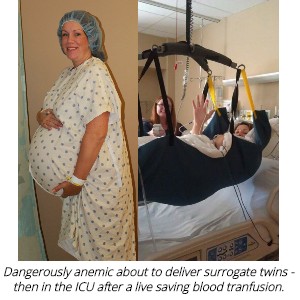
Krystal Moore is the founder of Three Arrows Nutra. After a life-threatening postpartum hemorrhage and years of failed iron treatments, she spent hundreds of hours researching iron absorption science and created Iron Repair to help women fight back against iron deficiency.