
Best Iron Supplement for Low Ferritin: What Actually Moves Your Numbers
Krystal Moore
Founder & Iron Warrior
📑 Table of Contents
- What Does Your Ferritin Level Actually Tell You?
- Why Do Most Iron Supplements Fail to Raise Ferritin?
- Which Types of Iron Are Best for Ferritin Repletion?
- Best Iron Supplement for Low Ferritin: Top Recommendations
- How Should You Take Iron Supplements to Maximize Ferritin Recovery?
- When Should You Retest Ferritin and What Should You Expect?
- Frequently Asked Questions About Iron Supplement for Low Ferritin
- Conclusion
Nearly half of premenopausal women have ferritin below 30 ng/mL, the threshold for iron deficiency, and most do not know it.
The bloodwork comes back, the doctor says to take some iron, and the search begins. The supplement aisle is a minefield. Wrong forms and bad dosing instructions leave many people frustrated. The physical toll of harsh pills causes most women to quit long before their ferritin budges.
This guide compares every major iron form for ferritin repletion. You will find a clear protocol that covers what to take, how to take it, and when to expect results.
Those wanting a broad view of diet and lifestyle changes should read the guide on how to raise ferritin levels fast. This article zeroes in on which supplement actually moves your numbers.
What Does Your Ferritin Level Actually Tell You?
Ferritin measures your body's stored iron reserves, revealing whether your deep tissue backup supplies are depleted or adequately stocked.
Think of iron storage like your personal finances. Hemoglobin acts as your checking account. It handles the daily transactions of moving oxygen through your body. Ferritin represents your deep savings account. It holds the reserves in your liver, spleen, and bone marrow. You can have a functional checking account while your savings account is bankrupt. Your body will drain every drop of stored ferritin to keep your hemoglobin checking account active.
Most medical professionals only look at the checking account. They run a basic blood panel, see normal hemoglobin, and declare you healthy. They miss the drained savings account. Iron deficiency without anemia affects roughly one in two premenopausal women. They experience the physical shutdown of depletion while their doctors point to normal lab results.
The standard lab ranges for ferritin create massive confusion. The reference range typically spans from 5 to 250 ng/mL. This broad spectrum is practically useless for identifying a functional deficiency. A doctor might look at a ferritin level of 15 ng/mL and call it normal because it technically falls inside that massive window. Being inside the reference range does not mean your body has what it needs. A ferritin of 15 ng/mL is severely depleted.
Optimal ferritin sits much higher. The target for human thriving is 100 to 125 ng/mL. Anything below 30 ng/mL constitutes Absolute Iron Deficiency, as shown on a standard ferritin levels chart. This is true even if your hemoglobin looks flawless. The body begins rationing resources long before hemoglobin drops. It cuts off supply to non-essential functions to protect the vital organs.
Why Do Most Iron Supplements Fail to Raise Ferritin?
Synthetic iron absorbs at only 3-5%, with 95-97% remaining in the gut causing severe digestive distress and high dropout rates.
The medical default is nearly always ferrous sulfate. It is the cheapest option and the most commonly prescribed iron supplement. Ferrous sulfate is a synthetic / synthetic form of iron that the body struggles to absorb efficiently. Doctors recommend it out of habit, leaving patients to deal with the severe physical fallout. Taking these pills introduces a heavy burden on the digestive system.
Synthetic iron has a complicated absorption process the body isn't efficient at. The absorption rate is just 3 to 5%. Studies from the Journal of Internal Medicine confirm this low bioavailability, The remaining 95 to 97% of the pill travels into the digestive tract and stays there, causing oxidative damage to the gut lining.
These gastrointestinal side effects lead to a high failure rate. Roughly 40 to 50% of people simply quit taking their supplements before their ferritin ever recovers. They choose the exhaustion of low ferritin over the daily misery of the treatment. The best supplement strategy in the world fails entirely if you cannot physically tolerate it for the three to six months required for repletion. For a detailed breakdown of these specific issues, reviewing ferrous sulfate side effects illuminates why so many abandon this path.
There is also a hidden biological barrier. Flooding the system with poorly absorbed synthetic iron triggers the body's defense mechanisms. It spikes a hormone called hepcidin. Hepcidin acts as a gatekeeper, essentially shutting down iron absorption to protect the body from perceived overload. Taking a high dose of synthetic iron today can physically block you from absorbing iron tomorrow. This hormonal response explains why some researchers now recommend alternate-day dosing for synthetic supplements. The daily approach literally forces the body to reject the treatment.
Which Types of Iron Are Best for Ferritin Repletion?
Natural animal-sourced iron offers the highest absorption with minimal side effects, while carbonyl iron serves as the best vegan option.
Natural animal-sourced iron bypasses the standard digestive hurdles. It is absorbed in its whole, natural form. The body recognizes this biological structure and does not trigger the complicated breakdown process that synthetic iron requires. This direct pathway provides a naturally high absorption rate, leaving minimal unabsorbed iron in the digestive tract. It is gentle on the gut, avoiding the cramping and nausea associated with standard options.
Carbonyl iron serves as the most effective vegan iron available. It consists of highly purified elemental iron formed into ultra-fine particles. These microscopic particles dissolve very slowly in the acidic environment of the stomach. This slow release reduces the sudden spike of irritation that causes gastrointestinal distress. It provides a solid absorption profile for those who require a plant-based solution, making it a reliable gentle alternative.
Ferrous sulfate remains the most widely known choice. It is cheap and widely recommended by standard medical guidelines. The reality is a 3 to 5% absorption rate and severe gastrointestinal side effects. It generally requires an alternate-day dosing schedule to bypass the body's hepcidin blockade. It can slowly raise ferritin if you can manage to tolerate the physical discomfort for half a year. The problem is compliance. Most women simply cannot endure the daily digestive pain.
Intravenous iron infusion bypasses the digestive system. It delivers the mineral directly into the bloodstream. An infusion can raise ferritin by 100 ng/mL within 14 days. This medical procedure is reserved for severe absolute iron deficiency, chronic malabsorption conditions, or cases where all oral supplementation has completely failed. It requires direct medical supervision in a clinical setting and typically costs between $500 and $3,000 per session. It is highly effective but represents the most aggressive intervention available. You can compare the detailed clinical differences by reviewing iron infusion vs iron supplements.

| Feature | Natural Animal-Sourced Iron | Carbonyl Iron (Vegan) | Ferrous Sulfate | IV Iron Infusion |
|---|---|---|---|---|
| Absorption | Naturally high | Moderate | 3-5% | 100% (bypasses gut) |
| GI Side Effects | Well tolerated | Low (slow dissolving) | Severe (40-50% quit) | None (IV route) |
| Take With Food | Yes | Depends on product | Best on empty stomach | N/A |
| Vitamin C Needed | No | Recommended | Required | N/A |
| Daily Dosing | Yes | Yes | Alternate-day preferred | Single or few sessions |
| Monthly Cost | $30-90 | $15-30 | $5-15 | $500-3,000+ per session |
| Best For | Most women | Vegan / plant-based | Budget-conscious | Severe deficiency / malabsorption |
Best Iron Supplement for Low Ferritin: Top Recommendations
Iron Repair PLUS tops the list for ferritin repletion: natural animal-sourced iron concentrated from bovine spleen, gentle on the gut, with B12 and folate to support red blood cell production.
#1: Iron Repair PLUS
Iron Repair PLUS stands as the top choice for ferritin repletion. The core ingredient is natural animal-sourced iron concentrated from bovine spleen. Each capsule delivers 20 mg of elemental iron. The biological structure means the body absorbs it in its whole, natural form. There is no complicated breakdown process required in the digestive tract.
This formulation provides a naturally high absorption rate without the digestive collateral damage. It is gentle on the gut and well tolerated for long-term use. You can take it with food, coffee, or tea without blocking its effectiveness. You do not need to time it around an empty stomach. You take it daily. There is no need for the alternate-day schedules required by synthetic alternatives.
Iron Repair PLUS includes targeted cofactors. It provides B12 as methylcobalamin and folate. Iron, B12, and folate deficiencies frequently occur together. Supplying all three ensures the body has the complete raw material profile required for healthy red blood cell production.
The cost is $29.97 for a bottle of 90 capsules. The ingredient list is clean: bovine spleen iron, L Leucine, and the capsule shell. It comes with a 90-day money-back guarantee. Real results speak to its efficacy. Women report seeing their ferritin climb from 22 to 62 in under three months. Others have pushed their ferritin over 100 in four months after spending nine previous months failing with standard synthetic options.
#2: Iron Repair SIMPLY
Iron Repair SIMPLY utilizes the exact same highly effective base ingredient. It delivers 20 mg of elemental iron concentrated from bovine spleen. The difference is the absence of supporting vitamins. SIMPLY is an iron only formulation. It contains zero B12 and zero folate.
SIMPLY provides the exact same high absorption and excellent tolerability profile as PLUS. A bottle of 90 capsules also costs $29.97.
#3: Carbonyl Iron
Carbonyl iron is the recommended choice for a vegan iron. It consists of highly purified elemental iron milled into ultra-fine particles. This specific physical structure allows it to dissolve slowly over time in the stomach. The slow release mechanism prevents the sudden dump of iron that irritates the gastric lining.
It is a solid option for plant-based women who need a non-animal source. It provides reliable absorption when taken correctly. You do need to pair it with vitamin C to ensure the stomach environment remains acidic enough for proper breakdown.
#4: IV Iron
Intravenous iron is not a supplement you can buy. It is a direct medical intervention. It bypasses the gut entirely and deposits iron straight into your circulatory system.
It works fast, capable of raising ferritin by 100 ng/mL or more in just two weeks. It is the necessary choice when oral absorption is medically impossible. This applies to patients with severe celiac disease, inflammatory bowel disease, or those recovering from bariatric surgery. It is also the fallback when all forms of oral supplementation have conclusively failed.
How Should You Take Iron Supplements to Maximize Ferritin Recovery?
The right protocol depends on which iron form you take. Natural animal-sourced iron can be taken any time with meals. Synthetic iron works best on an empty stomach with vitamin C, every other day.
Natural Animal-Sourced Iron (Iron Repair) Protocol
The Iron Repair Method removes nearly all the traditional friction from supplementation. You can take natural animal-sourced iron any time of day. It does not demand an empty, highly acidic stomach. You take it directly with meals. This freedom improves long-term consistency.
You do not need to add vitamin C. The body absorbs this natural form intact, in its whole, natural form. The acidic breakdown environment required by other supplements simply does not apply here.
Consistent daily dosing is highly effective. You do not need to worry about hepcidin spikes forcing you into an alternate-day schedule. The body manages this natural form smoothly.
Dosing is highly individualized. Throwing a random number of pills at the problem rarely hits the target. Three Arrows follows the American Society of Hematology guidelines for iron supplementation, which utilizes your individual weight to establish an approximate daily iron intake range. You can easily find your precise targets by using the Iron Repair intake calculator.
The only significant restriction is calcium. Avoid taking massive doses of calcium (300mg or more) at the exact same time, as heavy calcium loads can interfere with optimal uptake. Understanding these simple rules makes daily compliance effortless. You can explore the timing flexibility deeply in the guide covering the best time to take iron supplements.
Synthetic Iron (Ferrous Sulfate) Protocol
Taking synthetic iron requires careful adherence to specific rules. It must be taken on an empty stomach for maximum absorption. Unfortunately, this empty stomach rule increases the nausea and cramping.
You must take it with a heavy dose of vitamin C. The vitamin C creates an artificially high acid environment in the stomach to force the breakdown of the synthetic compound.
Daily dosing often backfires. Research supports an alternate-day dosing schedule for synthetic forms. Skipping days allows the hepcidin hormone levels to drop back to baseline, temporarily reopening the absorption pathways.
You must carefully avoid a long list of dietary blockers. Coffee, tea, dairy, and calcium supplements interfere with the absorption process. They bind to the synthetic iron in the gut, rendering it useless. You have to plan your meals carefully around your dosage times. You can review the full list of dietary conflicts in the guide detailing what blocks iron absorption.
When Should You Retest Ferritin and What Should You Expect?
Retest ferritin at 8-12 weeks. Hemoglobin recovers first (4-8 weeks), but ferritin stores take 3-6 months to fully replenish. Do not stop supplementing when you "feel better."

Month-by-Month Expectations
The first four weeks lay the hidden groundwork. Your energy may begin a very slow, subtle improvement. Your body directs every milligram of newly absorbed iron straight to your hemoglobin. Your ferritin levels will barely twitch during this initial phase. The body ignores savings when the checking account is empty.
Weeks four through eight show more tangible changes. Hemoglobin often normalizes during this window. The lingering symptoms of brain fog and breathlessness typically begin to lift. This marks the first appropriate window for a ferritin retest.
Months three and four bring the real structural changes. Your ferritin finally starts climbing in a meaningful way. Many women see gains of 20 to 40 ng/mL, depending on their starting point and their chosen supplement form.
By months four through six, you start approaching the optimal territory of 100 to 125 ng/mL. This sustained high level of stored reserve triggers secondary recovery. The hair follicles finally receive consistent nutritional support. Significant hair regrowth often becomes visibly apparent by month five or six. Women report real transformations during this phase. One woman watched her ferritin climb from 19 to 90 in five months, completely resolving her severe hair loss. Another went from a depleted 15 to a solid 60 in just three months postpartum.
Month six and beyond transitions you into the maintenance phase. Many women must continue a base level of supplementation to hold their numbers steady. This is especially true if the original cause of the severe deficiency remains ongoing. Heavy menstrual periods, prior bariatric surgeries, or subtle malabsorption issues will continually drain the tank if left unaddressed.
Critical Rule: Don't Stop When Hemoglobin Normalizes
The most devastating mistake happens right at the two-month mark. You take a blood test. The doctor sees normal hemoglobin and tells you to stop taking the supplement.
The body prioritizes hemoglobin over ferritin. Your blood count can look healthy while your tissue stores remain empty. Stopping supplementation at this point guarantees a rapid relapse. You must continue supplementing for 8 to 12 weeks after your hemoglobin normalizes. You have to finish filling the actual storage tank.
When Supplements Aren't Enough
Sometimes oral intervention simply cannot win the battle. If your ferritin sits below 10 ng/mL and you suffer from extreme physical symptoms, IV iron offers the only rapid path out of the danger zone. Once stabilized by the infusion, you can transition back to oral maintenance.
Severe malabsorption conditions create a physical barrier. Celiac disease, Crohn's disease, or major gastric bypass surgeries permanently alter the digestive tract. Oral iron, regardless of the quality or form, may never absorb adequately. These complex medical situations require specialized oversight, detailed deeply in the comprehensive iron deficiency complete guide.
Frequently Asked Questions About Iron Supplement for Low Ferritin
These are the most common questions women ask after getting low ferritin results and starting iron supplementation.
What is the fastest way to raise ferritin levels?
IV iron is the fastest method. It can raise ferritin by 100 ng/mL in about two weeks. For oral supplements, natural animal-sourced iron offers the fastest oral route due to its naturally high absorption rate.
Taking the right oral form prevents wasted months of failed absorption. You can review the broader strategies for rapid recovery in the complete guide on how to raise ferritin levels fast.
Can low ferritin cause hair loss?
Yes. Ferritin below 30-40 ng/mL is strongly associated with hair thinning and increased shedding. Hair regrowth typically begins once ferritin reaches 50+ ng/mL and is sustained for several months.
The body shuts down hair production to save minerals for vital organs. Consistent supplementation reverses this rationing process.
How long does it take for iron supplements to raise ferritin?
Most women see meaningful ferritin increases within 8-12 weeks of consistent supplementation. Full repletion to optimal levels (100-125 ng/mL) typically takes 3-6 months depending on starting level and supplement form.
Patience and consistency are non-negotiable for rebuilding these deep tissue reserves.
Should I take vitamin C with my iron supplement?
It depends on the type. Synthetic iron (ferrous sulfate) requires vitamin C to create the acidic environment needed for absorption. Natural animal-sourced iron like Iron Repair does not. It is absorbed in its whole, natural form without needing vitamin C.
Choosing a form that does not require heavy acidity drastically reduces daily stomach discomfort.
Why is my ferritin low but my hemoglobin is normal?
Your body prioritizes hemoglobin over ferritin. Iron goes to making red blood cells first, and only fills storage (ferritin) after hemoglobin needs are met. This means ferritin can be critically low while hemoglobin appears normal.
This biological rationing hides the root cause of fatigue from standard basic blood tests. Reading the full iron deficiency complete guide helps clarify these complex laboratory dynamics.
Is 20 ng/mL ferritin normal?
It falls within the standard lab range (5-250 ng/mL), but it is not optimal. A ferritin of 20 ng/mL is functionally depleted. Optimal ferritin is 100-125 ng/mL. Many women with ferritin around 20 experience significant symptoms.
Never accept normal as a diagnosis when you feel terrible. You can compare your specific numbers against the full ferritin levels chart to understand your true status.
Conclusion
Rebuilding depleted reserves requires the right tools and a solid timeline. Knowing the facts prevents months of painful trial and error.
- Ferritin below 30 ng/mL indicates Absolute Iron Deficiency, regardless of what your hemoglobin levels show.
- The physical form of the iron dictates your success. Natural animal-sourced iron provides a naturally high absorption rate while remaining gentle on the gut.
- Full recovery is a slow biological process taking three to six months. Never abandon your protocol just because your energy temporarily improves.
- Using a generic dose rarely works. Personalized dosing based on body weight provides the most accurate path to repletion.
- Always retest at the 8-to-12-week mark. Push past the broad reference ranges and target a truly optimal level of 100 to 125 ng/mL.
Stop guessing with random bottles off the shelf. Check your latest bloodwork numbers against the detailed ferritin levels chart to see exactly where you stand. Then, take a minute to calculate your precise personalized daily needs using the threearrowsnutra.com/calculate tool.
Once you have your numbers, consider Iron Repair PLUS for women ready to start their ferritin recovery. Taking control of your mineral stores is the first step toward reclaiming your energy and your health.
Written by Krystal Moore
Founder & Iron Warrior
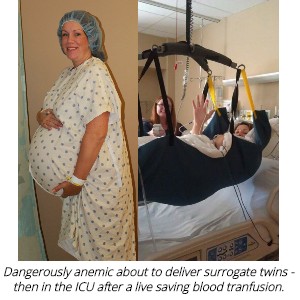
Krystal Moore is the founder of Three Arrows Nutra. After a life-threatening postpartum hemorrhage and years of failed iron treatments, she spent hundreds of hours researching iron absorption science and created Iron Repair to help women fight back against iron deficiency.