Follow Your Arrows
Iron Deficiency After Bariatric Surgery:
Why It Happens, Why It’s Missed, and What Actually Helps
If you’ve had bariatric surgery and you’re dealing with fatigue, hair loss, dizziness, shortness of breath, heart palpitations, or a general sense that something just isn’t right… you’re not alone.
Iron deficiency is one of the most common and most overlooked long-term challenges after bariatric surgery. And for many patients, it doesn’t show up in obvious ways, or get addressed early enough.
I know this struggle personally.
I’m a VSG patient myself, and Iron Repair was created out of lived experience, not just research, not just theory, but the real challenges that come after surgery when your body no longer absorbs nutrients the way it used to.
Let’s talk honestly about why iron deficiency happens after bariatric surgery, why so many standard “bariatric iron” supplements fail, and what actually matters when you’re trying to restore healthy iron and ferritin levels.
Why Iron Deficiency Is So Common After Bariatric Surgery
Iron deficiency after bariatric surgery isn’t a failure on your part, it’s a physiological consequence of altered anatomy.
After procedures like gastric sleeve and gastric bypass:
-
Stomach acid is reduced (acid is critical for iron absorption)
-
The primary iron absorption sites are less effective
-
Many patients remain on acid-reducing medications, PPIs (which reduces your ability to absorb iron)
-
Tolerance for traditional iron supplements is often poor
-
Constipation, nausea, and GI distress reduce consistency
Even sleeve patients, who technically keep their intestines intact, frequently experience iron malabsorption. And over time, iron stores (measured by ferritin) can quietly decline.
This is why so many bariatric patients say:
“I’m taking iron… but my ferritin is still low.”
Ferritin vs. Iron vs. Hemoglobin (and Why Symptoms Get Missed)
One of the biggest problems in post-bariatric care is that iron deficiency is often evaluated too late. (Learn about the stages of low iron here)
Many patients are told they’re “fine” because:
-
Hemoglobin is within range
-
Iron levels look borderline “normal”
But ferritin, your iron storage marker, may already be depleted.
Low ferritin can cause:
-
Chronic fatigue
-
Hair shedding or thinning
-
Exercise intolerance
-
Brain fog
-
Anxiety or palpitations
-
Restless legs
-
Poor sleep
You can learn more about the symptoms of iron deficiency here
You can feel miserable long before anemia ever shows up on paper.
This is why focusing only on “iron” and not iron stores (ferritin!) leads to missed diagnoses and prolonged suffering.
Why Most “Bariatric Iron” Supplements Don’t Work Well
Many bariatric patients are advised to take “bariatric iron vitamins.”
But here’s the uncomfortable truth:
Most of them are simply cheap synthetic iron salts, often ferrous sulfate, made chewable or dissolvable.
Changing the delivery format doesn’t fix the underlying problem.
Traditional synthetic iron supplements are well known for causing:
-
Constipation
-
Nausea
-
Stomach pain
-
Worsened reflux
-
Poor adherence (people stop taking them)
For a post-bariatric gut that’s already sensitive, this often becomes a non-starter.
When a supplement makes you feel worse, you don’t take it consistently…and iron repletion requires time and consistency, not cheap synthetic iron masquerading as ‘bariatric friendly’.
Why Iron Absorption Is Different After Bariatric Surgery
Iron absorption is complex even in a healthy gut. After bariatric surgery, it becomes even more nuanced.
Factors that commonly interfere with absorption:
-
Reduced stomach acid
-
Proton pump inhibitors (omeprazole, pantoprazole)
-
Calcium supplements taken too close to iron
-
Coffee or tea near dosing
-
Inflammation affecting iron regulation (hepcidin)
This is why simply “taking more iron” often backfires.
What matters more is:
-
Tolerability
-
Bioavailability
-
Consistency over time
A Better Approach to Iron After Bariatric Surgery
Restoring iron and ferritin levels after bariatric surgery is not about quick fixes.
It’s about:
-
Choosing a form of iron your body can tolerate
-
Supporting absorption instead of blocking it
-
Avoiding unnecessary GI distress
-
Giving your body time to rebuild stores
That’s exactly why Iron Repair was created.
Why Iron Repair Is Different
(and Why Bariatric Patients Do Better With It)
Iron Repair is a natural, gentle iron supplement designed for people whose bodies don’t tolerate or absorb traditional synthetic iron well, including bariatric patients.
Instead of relying on harsh iron salts and high doses, Iron Repair focuses on:
-
Gentle, Natural Iron
-
Better absorption support
-
Gut-friendly formulation
-
Long-term consistency
Many bariatric patients find they can take Iron Repair without the constipation, nausea, or stomach pain they experienced with standard bariatric iron supplements.
And when you can take something consistently, restoring your iron levels actually becomes possible.

Why Ignoring Iron Deficiency Affects Quality of Life
Iron deficiency isn’t just a lab number, it impacts daily life.
Low iron and low ferritin can affect:
-
Energy and motivation
-
Mental clarity
-
Exercise tolerance
-
Mood and emotional resilience
-
Hair and skin health
-
Overall recovery after surgery
This matters, especially when bariatric surgery is supposed to improve your quality of life, not quietly diminish it.
The Bottom Line
If you’ve had bariatric surgery and you’re struggling with symptoms that don’t seem to resolve, even though you’re “doing everything right”...iron deficiency deserves a closer look.
And if traditional bariatric iron supplements have left you frustrated, uncomfortable, or discouraged, it may be time for a gentler, more thoughtful approach.
Iron Repair was created for this exact reason, because bariatric patients deserve better than one-size-fits-all solutions or misleading marketing.
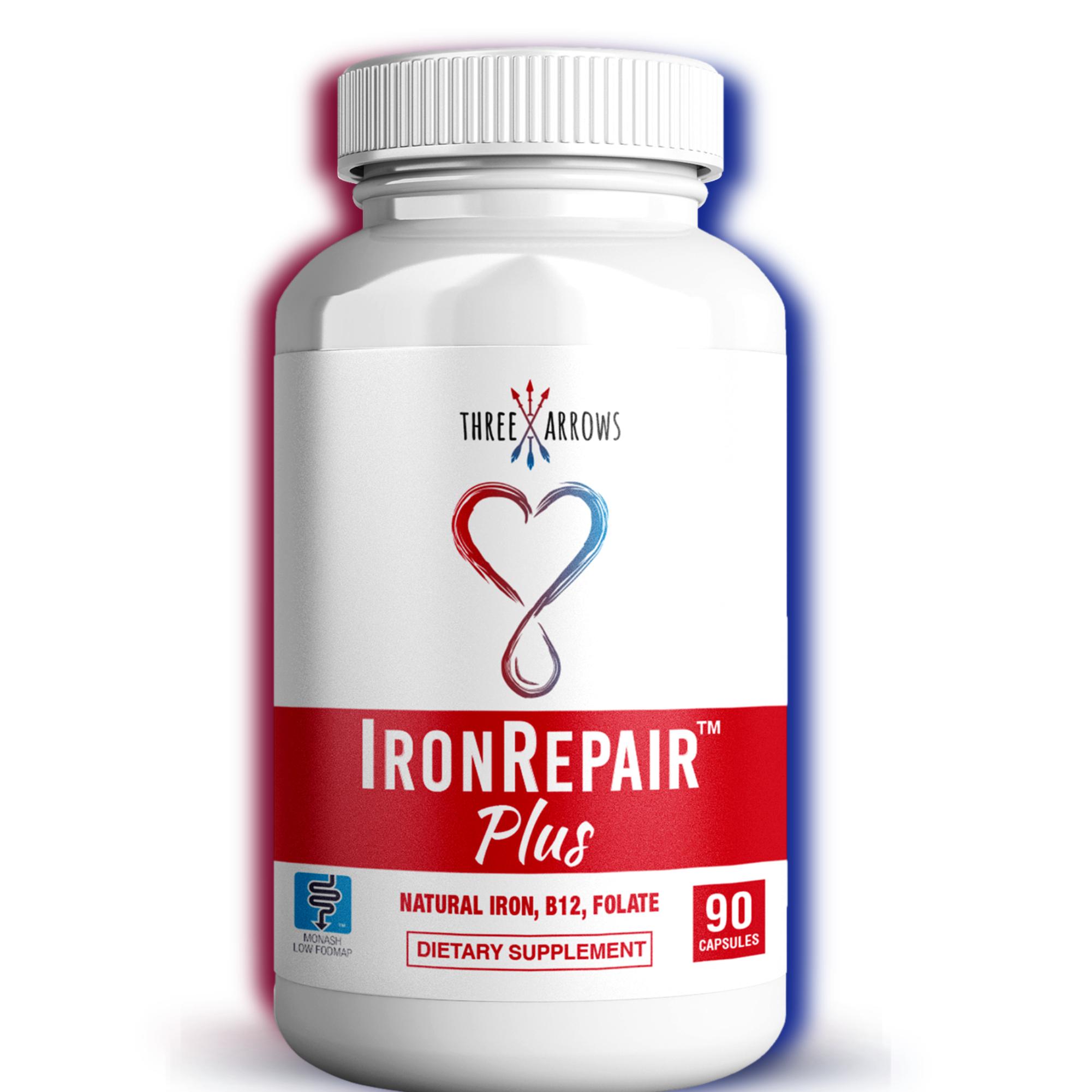
Iron Repair Plus.

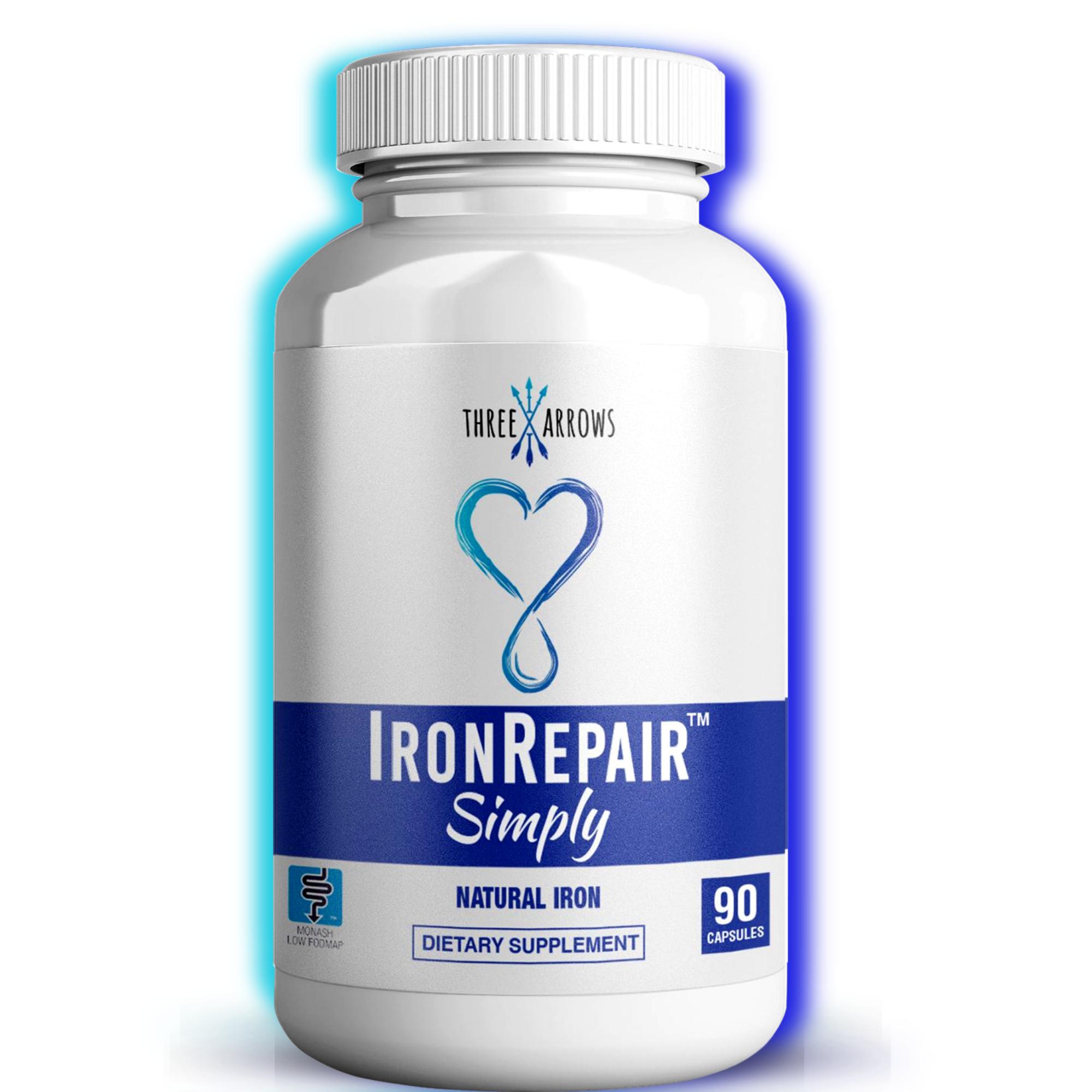
Iron Repair Simply
FAQ
-
Yes, anemia is very common after bariatric surgery, especially in patients who have undergone gastric sleeve (VSG) or gastric bypass (RNY) procedures.
Iron deficiency is one of the leading causes of post-bariatric anemia due to reduced stomach acid, altered digestion, and impaired iron absorption. Many patients develop low ferritin (iron stores) long before anemia appears on standard blood work, which means symptoms like fatigue, hair loss, dizziness, and shortness of breath can occur even when hemoglobin is still considered “normal.”
Enter Your Info Below to
Get Instant Access
Disclaimer: This content is strictly the opinion of Krystal Moore or Three Arrows Nutra, LLC and is for informational and educational purposes only. It is not intended to provide medical advice or to take the place of medical advice or treatment from a personal physician. All viewers of this content are advised to consult their doctors or qualified health professionals regarding specific health questions. Neither Krystal Moore, Three Arrows Nutra, LLC nor the publisher of this content takes responsibility for possible health consequences of any person or persons reading or following the information in this educational content. All viewers of this content, especially those taking prescription or over-the-counter medications, should consult their physicians before beginning any nutrition, supplement or lifestyle program.

Got a Question? We'd love to hear from you!
Send us a note at Support@ThreeArrowsNutra.com
Calculate Your Post-Surgery Iron Needs
Iron requirements after bariatric surgery are higher than average and vary by procedure. Our ASH-based intake calculator accounts for your absorption challenges and gives you a personalized daily dose to aim for.
Calculate My Intake →